
Introduction
Eating healthy doesn’t mean giving up the traditional Pakistani foods you love. From roti and daal to biryani and homemade sabzi, Pakistani cuisine offers a variety of foods that can be part of a balanced lifestyle.
For many women, managing weight while balancing family responsibilities, work, and everyday commitments can feel challenging. The good news is that healthy eating doesn’t have to involve complicated recipes, expensive ingredients, or restrictive diets.
With a few practical changes to your daily meals, you can work towards a healthier lifestyle while continuing to enjoy familiar foods.
1. Build Balanced Meals with Everyday Pakistani Foods
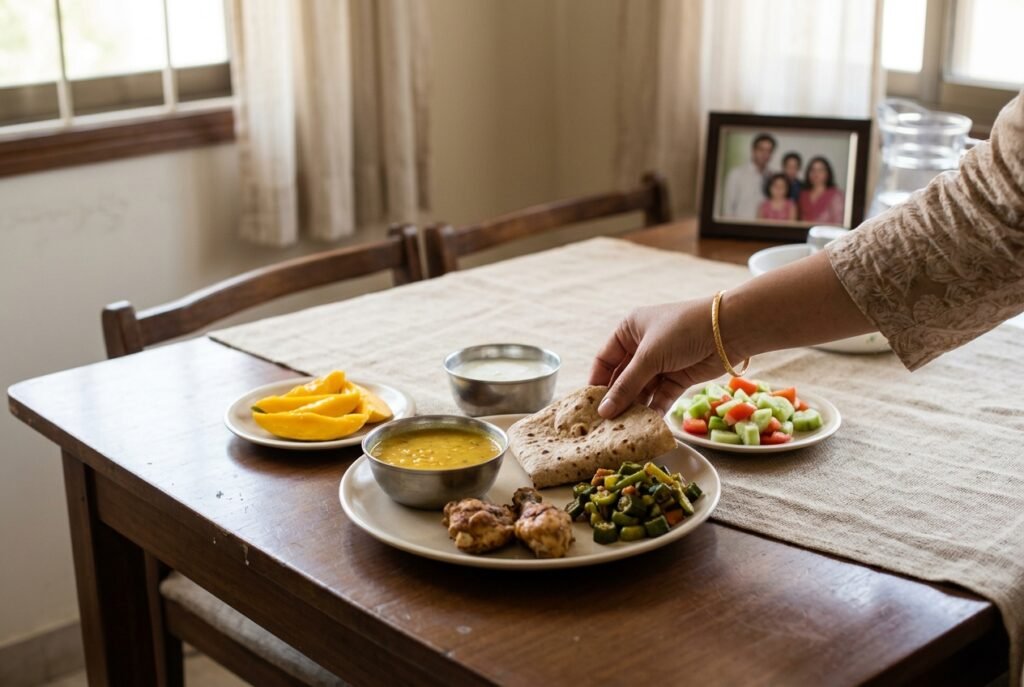
A balanced meal includes a variety of foods that provide energy and essential nutrients.
Instead of focusing on eliminating entire food groups, try to include vegetables, protein-rich foods, and suitable portions of carbohydrates in your meals.
Here are some familiar options:
Carbohydrates: Whole-wheat roti, chapati, rice, and oats.
Protein: Daal, chickpeas, beans, eggs, fish, chicken, and yoghurt.
Vegetables: Bhindi, palak, tori, karela, gobhi, and mixed seasonal vegetables.
Fruits: Guava, apples, oranges, bananas, and other seasonal fruits.
Combining different food groups can make meals more varied and satisfying. Individual nutritional needs differ, so the right portions will depend on your age, activity level, health, and personal goals.
2. Make Small Changes to Your Favourite Meals
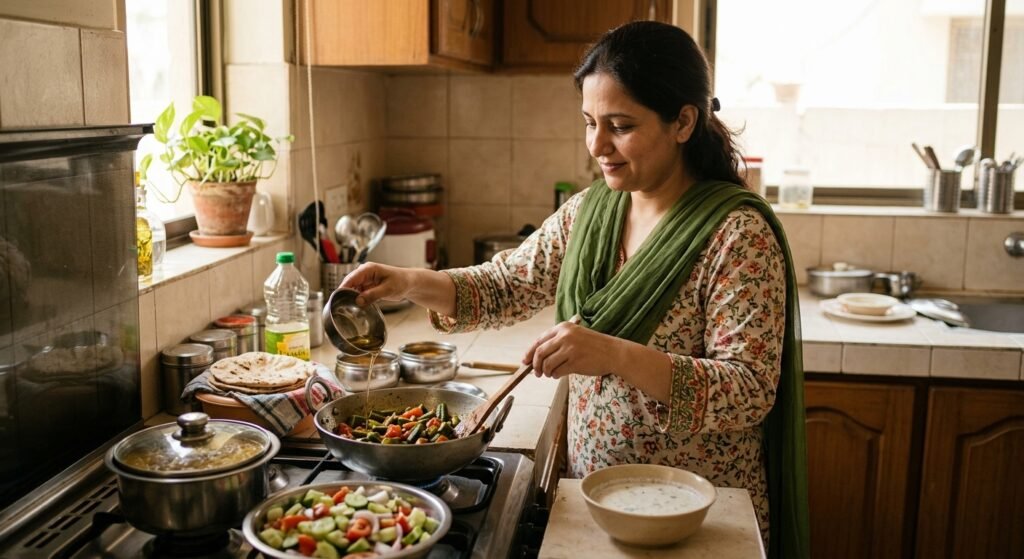
You don’t need to stop eating your favourite Pakistani dishes to develop healthier habits.
Instead, consider making small adjustments to how you prepare and serve them.
For example:
Prepare homemade salan and sabzi with moderate amounts of oil.
Include a source of protein, such as daal, chicken, fish, or yoghurt, with your meals.
Add salad or cooked vegetables alongside roti or rice.
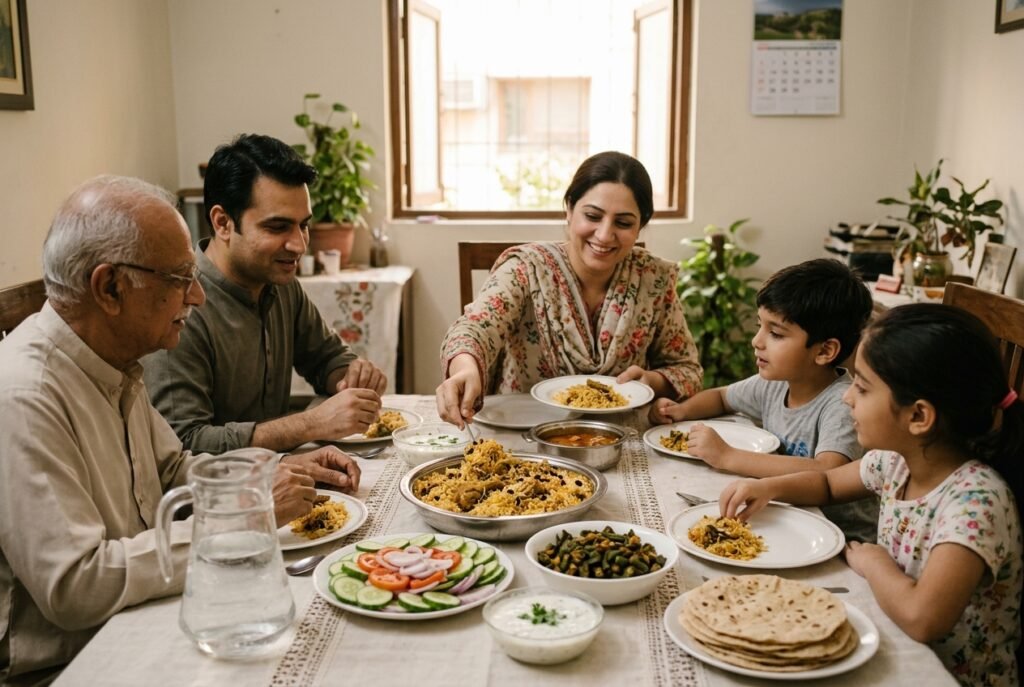
Enjoy biryani and other favourite dishes in portions that suit your needs, alongside vegetables or raita.
These simple changes can help you create a more balanced eating routine without feeling that you must abandon your cultural food preferences.
3. Pay Attention to Sugary Drinks and Frequent Snacks
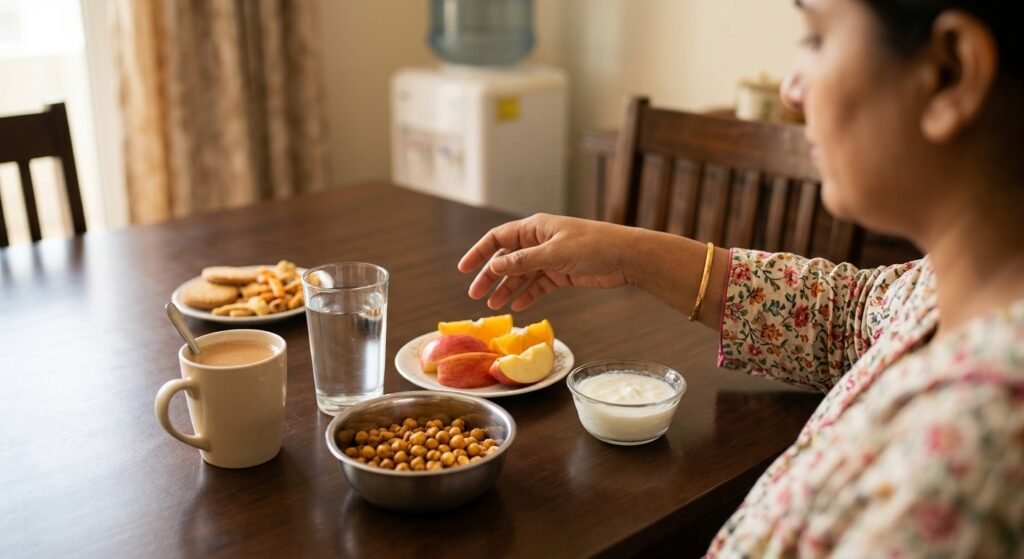
Chai is a familiar part of everyday life in many Pakistani households. However, tea with several teaspoons of sugar, sweetened drinks, biscuits, and frequent fried snacks can add considerable sugar, salt, or energy to your daily intake.
You don’t necessarily need to eliminate every treat.
You can start by gradually reducing the sugar in your tea, choosing water more often, and including nourishing snacks such as fruit, plain yoghurt, or roasted chana when you feel hungry.
The aim is to develop habits that you can maintain comfortably over time.
4. Make Hydration Part of Your Routine
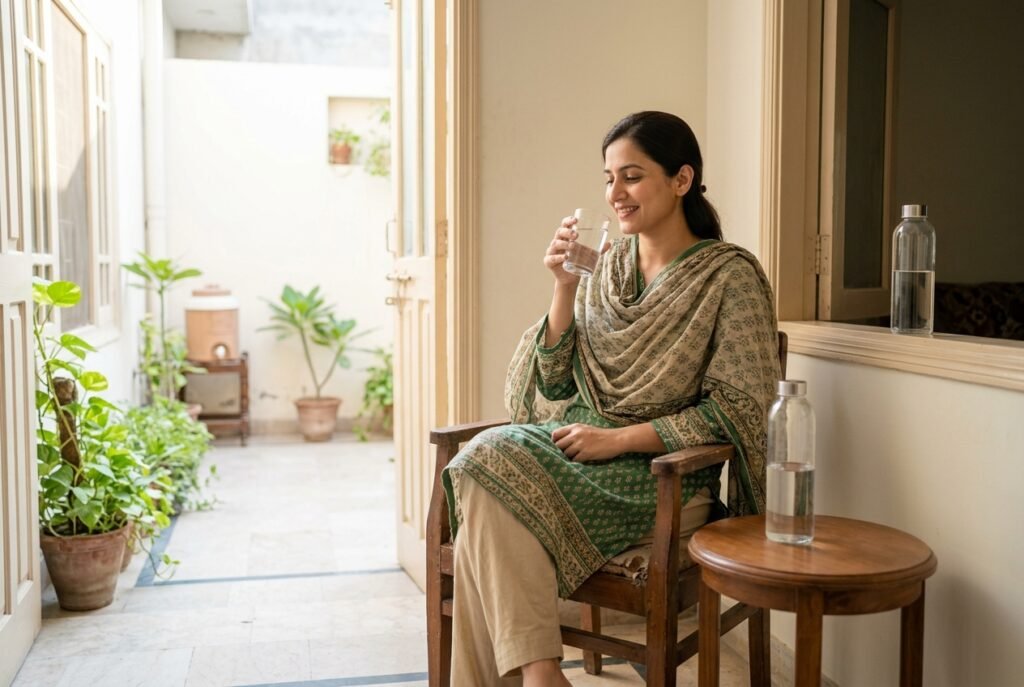
Water is essential for normal body functions and overall health.
Keep a water bottle nearby, drink water regularly throughout the day, and pay attention to your thirst, weather, and activity level.
During Pakistan’s warmer months, particularly when spending time outdoors, remember to drink enough fluids.
There is no single amount of water that is appropriate for everyone. Fluid needs can vary with activity, climate, and medical conditions.
5. Focus on Consistency, Not Perfection
Healthy eating is not about following a perfect meal plan every day.
Some days will be busier than others. Family gatherings, weddings, celebrations, and unexpected commitments are all part of life.
If one meal is different from your usual routine, simply return to your normal balanced eating habits at your next meal.
Avoid punishing yourself with skipped meals or extreme restrictions.
Sustainable lifestyle changes are built through regular habits rather than short periods of strict dieting.
Final Thoughts
A balanced Pakistani diet can include traditional foods, family meals, and occasional treats. The key is finding an approach that meets your nutritional needs and fits your everyday life.
At Bunchup4Wellness, we believe that every woman’s wellness journey should be practical, supportive, and tailored to her individual needs.
Explore our 12-Week Wellness Program to learn more about personalized nutrition guidance, healthy habits, and ongoing support.
Medical note: This article provides general educational information and is not a substitute for individualized medical or nutritional advice. Women with medical conditions, pregnancy, or specific dietary needs should consult a qualified healthcare professional.